A to Z Peptides
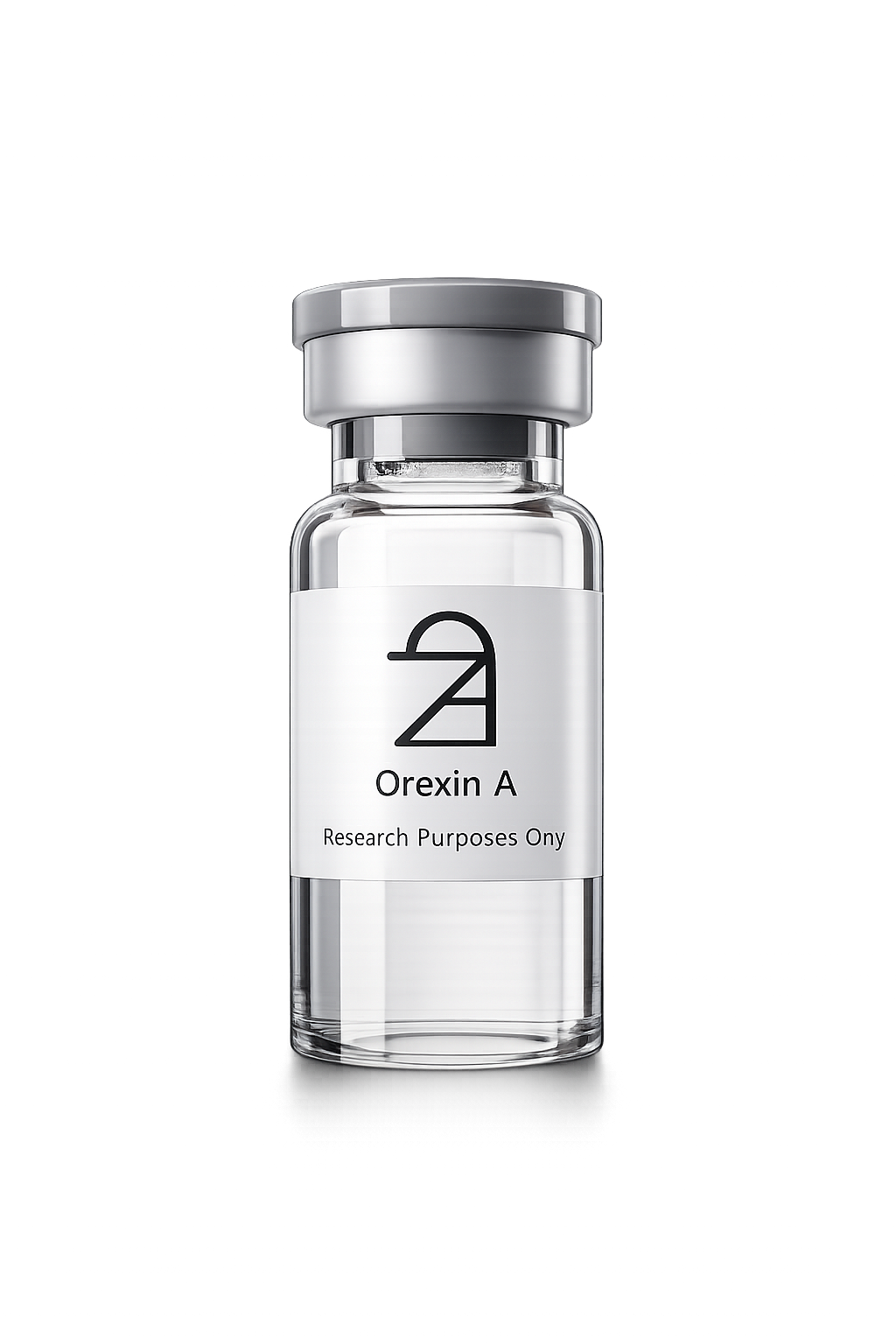
Orexin A
Orexin A
Couldn't load pickup availability
Orexin A (also known as hypocretin-1) is a naturally occurring neuropeptide produced in the hypothalamus that plays a central role in regulating wakefulness, arousal, appetite, and energy homeostasis. It is a key component of the brain’s sleep–wake control system and is essential for maintaining stable alertness and behavioral activation.
In laboratory research, Orexin A is widely studied for its activity at orexin receptors (OX1R and OX2R), where it influences neuronal excitability and promotes wakeful states. It is commonly used in neuroscience models investigating sleep regulation, circadian rhythm biology, and neurobehavioral energy control systems.
Key Features
- Naturally occurring hypothalamic neuropeptide (hypocretin-1)
- Central regulator of wakefulness and arousal pathways
- Acts on orexin receptors (OX1R and OX2R)
- Commonly studied in sleep–wake cycle research
- Involved in appetite, reward, and energy balance signaling
Common Research Areas
Researchers and scientific studies commonly explore Orexin A for:
- Sleep–wake cycle regulation and insomnia models
- Circadian rhythm and biological clock research
- Appetite and metabolic energy balance studies
- Neurobehavioral activation and motivation pathways
- Neurological and neurodegenerative disorder research
Product Quality
Manufactured under strict quality control standards and tested for purity, identity, and consistency to ensure reliable research-grade material.
Disclaimer: This product is intended strictly for laboratory research use only. Not for human consumption. This product is not intended to diagnose, treat, cure, or prevent any disease.
Share