A to Z Peptides
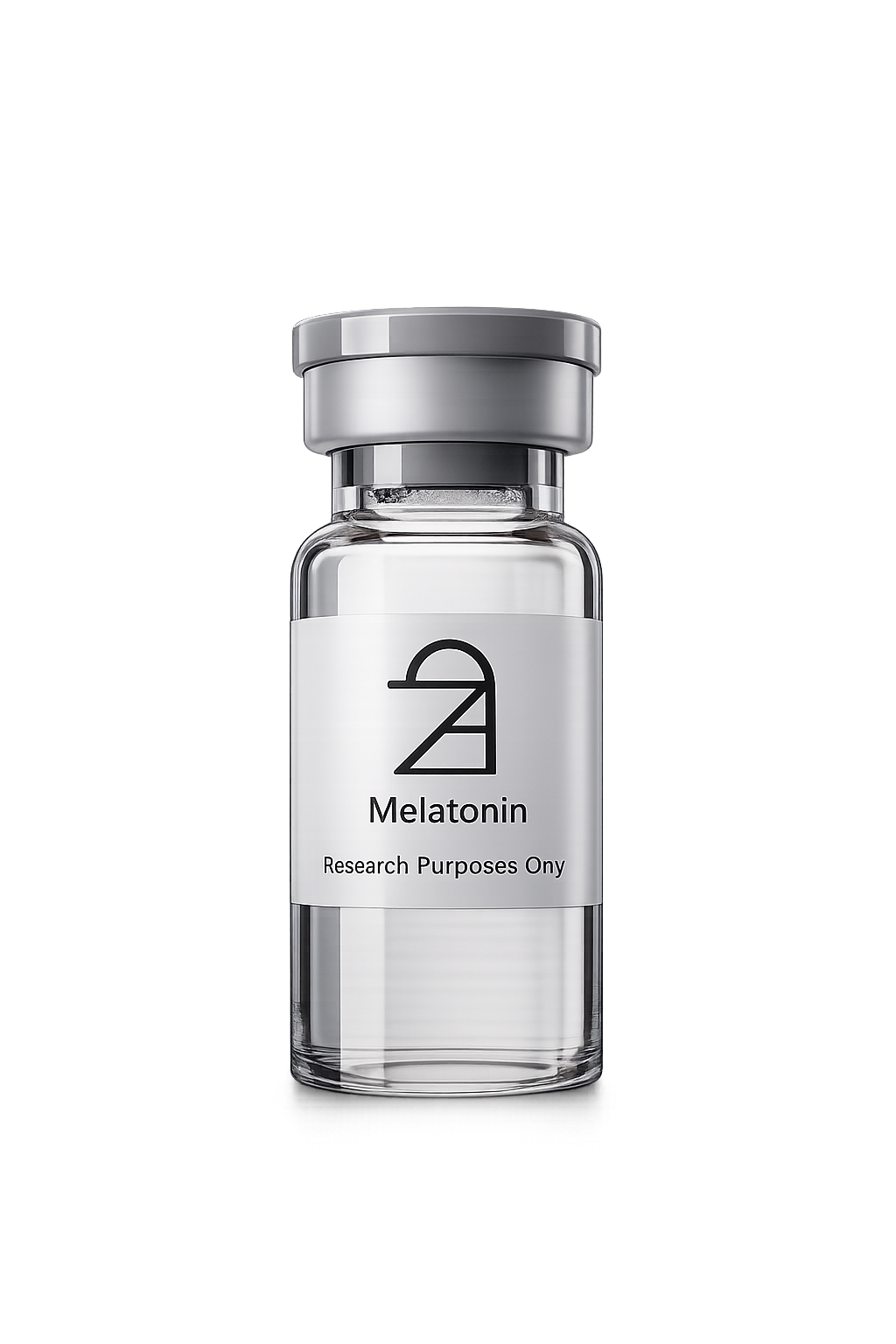
Melatonin
Melatonin
Couldn't load pickup availability
Melatonin is a naturally occurring hormone produced primarily by the pineal gland in response to darkness. It plays a central role in regulating the body’s circadian rhythm, signaling sleep onset and helping coordinate daily biological cycles.
In laboratory research, melatonin is widely studied for its influence on sleep–wake regulation, antioxidant activity, and neuroendocrine signaling. It is also investigated for its role in circadian synchronization, immune modulation, and cellular protection pathways.
Key Features
- Naturally occurring hormone produced by the pineal gland
- Central regulator of circadian rhythm and sleep cycles
- Involved in neuroendocrine signaling and biological timing
- Exhibits antioxidant and cellular protective properties in research models
- Widely studied in sleep, aging, and metabolic rhythm research
Common Research Areas
Researchers and scientific studies commonly explore melatonin for:
- Sleep–wake cycle and circadian rhythm regulation
- Jet lag and biological clock synchronization models
- Antioxidant and oxidative stress response pathways
- Neuroendocrine and hormonal signaling research
- Aging, cellular protection, and metabolic timing studies
Product Quality
Manufactured under strict quality control standards and tested for purity, identity, and consistency to ensure reliable research-grade material.
Disclaimer: This product is intended strictly for laboratory research use only. Not for human consumption. This product is not intended to diagnose, treat, cure, or prevent any disease.
Share