A to Z Peptides
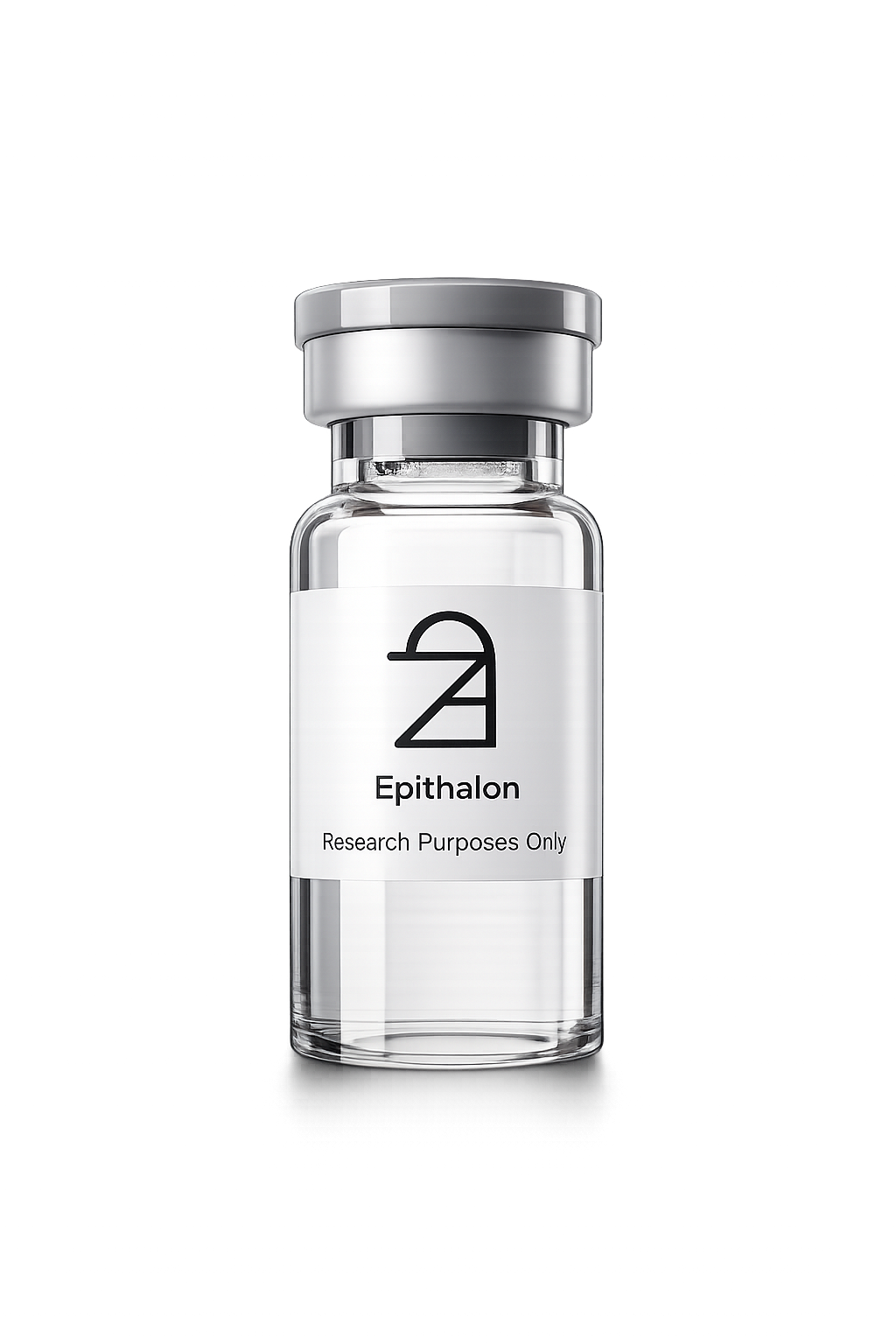
Epithalon
Epithalon
Couldn't load pickup availability
Epithalon is a synthetic tetrapeptide derived from the naturally occurring compound epithalamin, originally studied for its role in regulating cellular aging processes and circadian rhythms. It is widely researched in the fields of longevity science, cellular biology, and age-related functional decline.
In laboratory studies, Epithalon is commonly investigated for its potential influence on telomerase activity and telomere maintenance—structures at the ends of chromosomes associated with cellular aging. It is also explored for its role in melatonin regulation and circadian rhythm support, making it a frequent subject in aging and metabolic research models.
Key Features
- Synthetic tetrapeptide derived from epithalamin
- Commonly studied in telomere and longevity research
- Investigated for potential effects on telomerase activity
- Explored in circadian rhythm and melatonin regulation studies
- Widely used in aging and cellular health research models
Common Research Areas
Researchers and scientific studies commonly explore Epithalon for:
- Cellular aging and longevity mechanisms
- Telomere biology and telomerase activity research
- Circadian rhythm and sleep cycle regulation
- Oxidative stress and cellular protection studies
- Age-related functional decline models
Product Quality
Manufactured under strict quality control standards and tested for purity, identity, and consistency to ensure dependable research-grade performance.
Disclaimer: This product is intended strictly for laboratory research use only. Not for human consumption. This product is not intended to diagnose, treat, cure, or prevent any disease.
Share