A to Z Peptides
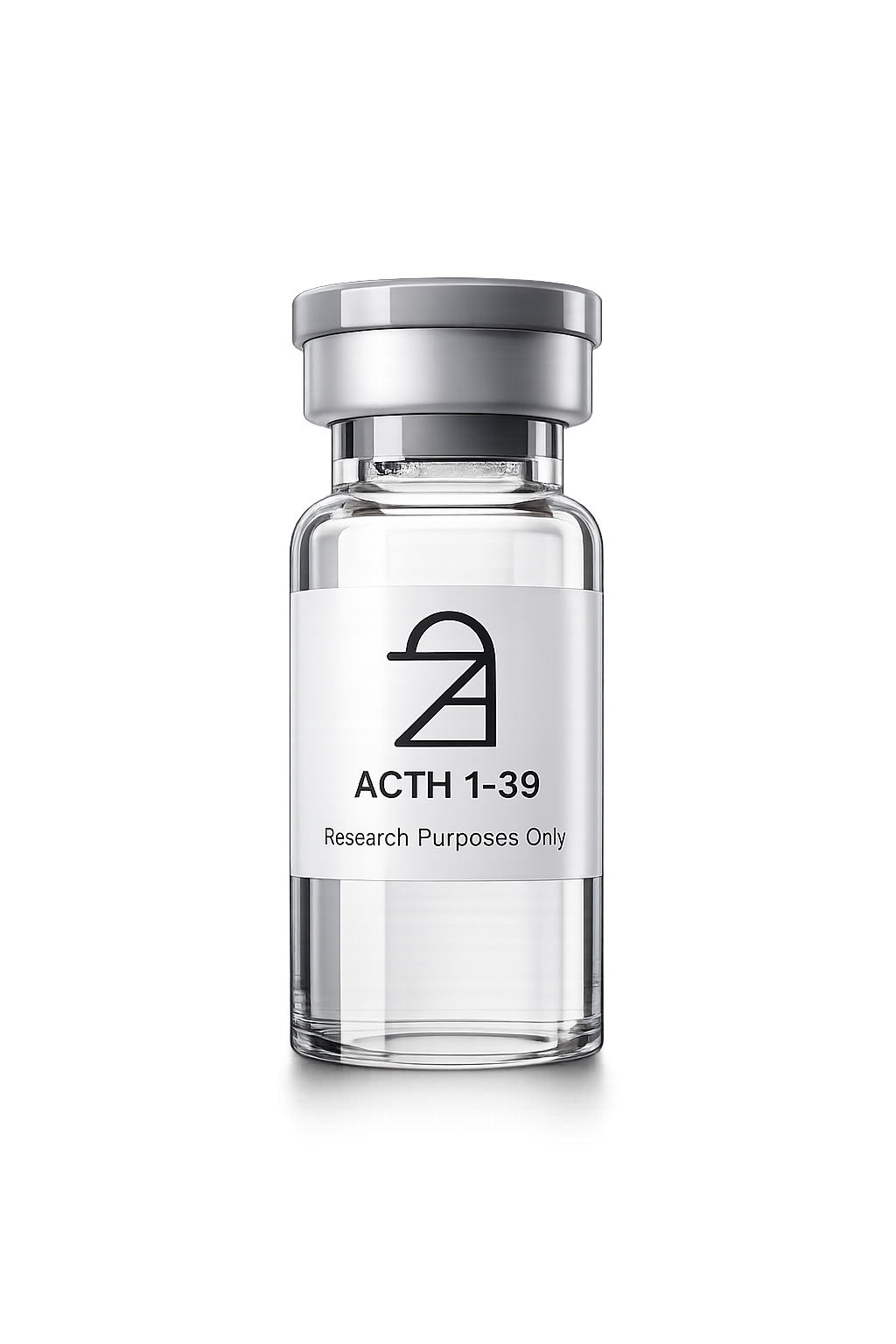
ACTH 1-39
ACTH 1-39
Couldn't load pickup availability
ACTH 1-39 is the full-length synthetic form of adrenocorticotropic hormone, a naturally occurring peptide produced by the pituitary gland. It plays a central role in regulating the body’s stress response by stimulating the adrenal cortex to release corticosteroids, including cortisol.
In laboratory research, ACTH 1-39 is commonly studied for its effects on the hypothalamic–pituitary–adrenal (HPA) axis, stress physiology, and endocrine signaling pathways. Because it represents the complete biologically active sequence of ACTH, it is frequently used in studies examining hormonal regulation and stress-response mechanisms.
Key Features
- Full-length synthetic form of adrenocorticotropic hormone (ACTH 1-39)
- Central role in HPA axis and adrenal signaling research
- Studied for cortisol and corticosteroid regulation pathways
- Used in endocrine and stress physiology research models
- Relevant to neuroendocrine and metabolic studies
Common Research Areas
Researchers and scientific studies commonly explore ACTH 1-39 for:
- Stress-response and HPA axis regulation
- Adrenal hormone signaling and cortisol pathways
- Endocrine system function and homeostasis
- Metabolic and inflammatory response studies
- Neuroendocrine communication research
Product Quality
Manufactured under strict quality control standards and tested for purity, identity, and consistency to ensure reliable research-grade material.
Disclaimer: This product is intended strictly for laboratory research use only. Not for human consumption. This product is not intended to diagnose, treat, cure, or prevent any disease.
Share